
I never thought that when I was sat in my bedroom as a child that my path would lead me to becoming a person‑centred counsellor specialising in grief and loss. Back then, I imagined myself as a pop star or performing on the West End. Life has a way of surprising us, sometimes gently, sometimes painfully.
I certainly didn’t have on my bingo card losing my mum at 30. I was already on the road to becoming a counsellor when she was diagnosed with ovarian cancer, but her illness changed everything. It shaped the direction I went in and helped me discover the work I was meant to do.
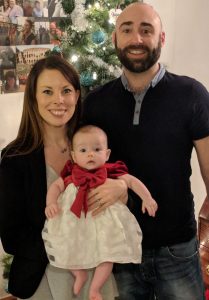
Also not on my close friend Holly’s bingo card was losing her husband, Andy, to cancer just four years after getting married. Holly and Andy have a beautiful daughter, April, who lost her dad. Life changed forever for both of them. Holly now wears many hats just to keep life moving, and I saw, and still see, the struggles that come with losing the person you expected to spend the rest of your life with.
It was Holly who first told me about the campaign she was involved in, fighting to change the support the Government offers to those who have lost a loved one. I had no idea that bereavement support had drastically changed just months before my own mum passed in 2017. Holly spent time educating me on the financial struggles people were facing, the reality that many cannot afford life insurance, and the fact that the Government had reduced long‑term support to just 18 months. I mean, who can rebuild their life in 18 months when everything has changed for an entire family?
I felt sadness. I felt anger. And I felt grief for the people experiencing this. It made me reflect on my own world, how different things could have been for my family had myself and my brother been younger. The more I learned, the more I understood why Holly and so many others were fighting.
What I saw in Holly, and in the people behind Widows Fight, was a group channelling their pain, their exhaustion, and their love into something bigger: a fight for change so that bereaved families are not left to struggle alone.
Widows Fight: Why the Campaign Exists
Widows Fight is a grassroots movement led by widows, widowers, and bereaved families who believe the current bereavement support system is unfair and inadequate. Their petition reached enough signatures for Parliament to consider a debate, which is a huge achievement for a community‑led campaign.
What support looks like now (post‑April 2017)
Bereavement Support Payment replaced all previous benefits. It provides:
For parents with children:
- £3,500 lump sum
- £350 per month for 18 months
- Total: £9,800
For those without children:
- £2,500 lump sum
- £100 per month for 18 months
- Total: £4,300
After 18 months, support stops completely.
What support looked like before April 2017
Families received:
Bereavement Payment:
- £2,000 lump sum
Widowed Parent’s Allowance:
- Around £108 to £115 per week
Paid until the youngest child finished full‑time education
- Often 10 to 15 years of support, not 18 months.
Bereavement Allowance / Widow’s Pension:
- Weekly payments
- Continued until State Pension age
- Available even without children
The old system recognised that grief and financial instability last years, not months.
Why Widows Fight matters
The campaign is fighting for:
- Longer support
- Fairer payments
- Recognition of widows without children
- Support that reflects the cost of living
- A compassionate approach to bereavement
Their message is simple:
Bereavement is hard enough. Financial fear should not be added to it.
A Person‑Centred Perspective
As a counsellor, I sit with people in their grief. I see the confusion, the exhaustion, the fear, and the overwhelming responsibility that falls on one parent’s shoulders. Person‑centred counselling is built on empathy, unconditional positive regard, and meeting people exactly where they are. It recognises that grief is not linear, not predictable, and certainly not something that can be “sorted out” in 18 months.
Nearly eight years after losing my mum, I still have moments where the grief feels unexpectedly raw. That is the reality of loss. It ebbs and flows, and it does not fit into tidy timelines or Government frameworks. If grief can still catch me off guard after all this time, it is even clearer why expecting widows and single parents to rebuild their lives within 18 months is unrealistic and unfair.
Grief affects the ability to work, to parent, to think clearly, to make decisions, and to function. When financial pressure is added, it becomes a second trauma layered on top of the first.
Widows Fight is not just about money.
It is about dignity.
It is about giving families space to breathe.
It is about allowing grief to be processed without panic.
It is about compassion in policy.
My Pride in Holly, and a Call to Action
Recently, Holly shared her story publicly, speaking about Andy, April, and the reality of widowed parenting. In her interview, she said she hoped Andy would be proud of the work she is doing, and I know he would be. Like me, Holly has developed a dark sense of humour that helps her get through moments that can feel extremely dark and lonely. It is something many grieving people quietly lean on, a way of finding small pockets of relief in situations that feel impossibly heavy. Her courage is helping the campaign gain visibility, with local media sharing the experiences of widowed parents who are fighting for fairer support. Every interview, every shared story, and every moment of honesty helps build the momentum needed for change.
I have such an overwhelming amount of pride seeing the journey Holly has taken. Her strength, her love, and her true grit have helped get this campaign heard in Parliament. In an ideal world, we would not be fighting for this type of change, because we would much rather be sat next to our loved ones. But Holly and her comrades have taken their emotions and used them for the greater good, fighting for support that will not fix everything, but will take the edge off and give families a bit more stability during the hardest moments of their lives.
Widows Fight regularly share ways people can help on their social media platforms, including Facebook and Instagram. They have a fully drafted letter that supporters can send to their local MP, along with clear guidance on how to do it. Their pages also share the voices and experiences of widowed parents, helping to build understanding and momentum. The campaign is even in talks with a human rights lawyer, showing just how committed they are to exploring every possible avenue for change. Following their social media is one of the easiest ways to stay informed, get involved, and support the movement.
If you feel moved by Holly’s story, or by the thousands of families navigating grief and financial fear at the same time, you can help. Many supporters are writing letters to Parliament sharing their own experiences of loss, or simply expressing why they believe bereavement support should be fairer. If you would like to add your voice, you can contact Widows Fight directly for the address to send your letter to. They will guide you, support you, and welcome your contribution. Every story strengthens the call for change.
Grief is universal. Support should be too.
In my counselling room, I sit with people in their grief and meet them exactly where they are, and I stand with campaigns like Widows Fight in the hope that families can heal with compassion, stability, and without the added fear of financial hardship.
Take Care, Nicole x
Ethical Disclaimer
This blog reflects my personal views and experiences. It is separate from my work with clients, where I always meet each person exactly where they are, without expectation, judgement, or influence from my own story.