
As Light As A Feather Counselling
PERSON CENTRED COUNSELLING
Available Online Or Face to Face In Rotherham
Early Morning Counselling Sessions
Some people find that the early hours of the morning offer a quiet, gentle space to explore their thoughts and feelings. Before the world wakes up, there’s room to breathe, reflect, and connect without interruption. This is why I offer early‑morning sessions, including 5am appointments, for those who would like support before the day begins.
But early‑morning therapy is different. You may move from a calm, reflective session and even difficult session straight into the school run, work responsibilities, or the general rush of daily life. This transition can feel strange, emotional, or even disorientating, that’s completely normal.
This page is here to help you understand what early‑morning sessions can offer, and how to gently move from your session into the rest of your day.


Why Early‑Morning Sessions Can Be Helpful
- The world is quieter
- You’re less likely to be interrupted
- Your mind may feel clearer before the day’s demands
- You can begin your day with space to reflect, not rush
- It can be easier to access emotions without distraction
- You have the whole day ahead of you after the session — for rest, work, or simply being
Early‑morning counselling offers a space before the world wakes up — not always calm, but often clearer. It’s a time to meet yourself honestly, to notice what’s there, and to begin the day with awareness and care, whatever that looks like.
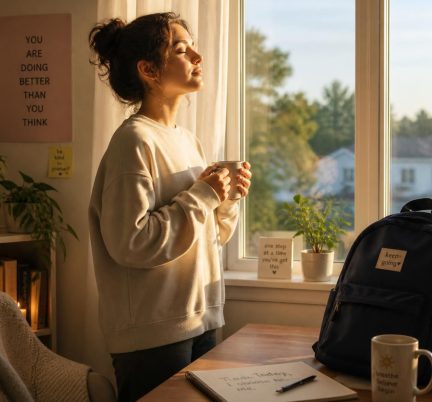
Transitioning From a Early Session Into Your Day
After a session, especially one involving grief, reflection, or emotional release , you might feel tender, thoughtful, or a little slower than usual. Here are some gentle ways to support yourself as you move into the morning rush.
1. Give Yourself 10–15 Minutes Before Re‑Entering the World
Sit quietly, stretch, breathe, or make a warm drink. Let your mind settle before you switch into “doing mode.”
2. Keep the First Hour Gentle
If possible, avoid rushing straight into intense tasks. Allow yourself a softer start.
3. Use a Grounding Ritual
This could be:
- washing your face with warm water
- stepping outside for a moment
- lighting a candle
- holding a comforting object
- taking three slow breaths
Small rituals help your body shift gears.
4. Write Down One Key Thought From the Session
This helps you carry the insight with you without feeling overwhelmed.
5. Plan Something Supportive for Later in the Day
A walk, a quiet moment, a cup of tea, or time to reflect.
Early‑morning therapy can echo through the day — give yourself space to revisit it.
6. Be Kind to Yourself During the Morning Rush
If you’re stepping straight into the busyness of the day ,work, responsibilities, routines, or anything that demands your attention please try and remember:
You’ve just done something emotionally brave.
It’s okay if you feel a little softer, slower, or more reflective as you find your footing.
7. Let the Session Sit Where It Needs To
Not every session will feel light. If you leave feeling unsettled or heavy, that’s okay. You can move into your morning at your own pace, carrying only what feels safe to carry and letting the rest unfold gradually.

Who Early‑Morning Sessions Are For
Early‑morning sessions are open to anyone. There’s no criteria and no specific group they’re designed for — these are simply a few examples of people who might find the early hours helpful:
- people with busy work schedules
- shift workers
- those who prefer quiet, private hours
- anyone who feels more open or reflective in the early morning
- early birds who naturally function best at the start of the day
- people with busy homes or full mornings who need space before things get going
- anyone who finds the early hours calmer, clearer, or easier to focus in
Early‑morning counselling is available to anyone who feels the start of the day offers a better space for themselves
At As Light As A Feather Counselling, I understand that life doesn’t pause for therapy. Early‑morning sessions are simply an option that may fit more comfortably into your routine. However your session leaves you, calm, unsettled, reflective, heavy, or anything in between you can move into your day at your own pace. You don’t have to manage that transition alone; I’m here to support you in finding what feels right for you.
Get in touch
If you’d like to arrange an initial assessment or ask a question, feel free to get in touch in whatever way feels easiest — call 07933 716273 or use the contact form on the right.
I don’t explore personal or emotional details over the phone, but I’m very happy to answer any practical questions you may have. I aim to reply within 48 hours.
All communication is confidential, and online sessions use secure Zoom Pro.
You can find my privacy policy in Policies and Procedures.
Some frequently asked questions
An initial assessment is a gentle first meeting where we get to know each other and explore what has brought you to counselling. There’s no pressure to share anything you’re not ready to. You can talk at your own pace.
We’ll look at what you’re experiencing, what you’re hoping for from counselling, and what feels most important for you right now. I’ll also explain how sessions work and answer any practical questions you may have.
This meeting helps us both get a sense of whether working together feels comfortable and supportive. You’re welcome to take your time afterwards to decide whether you’d like to continue.
Counselling can support you with a wide range of emotional experiences. Many people come to counselling during times of grief, loss, or major life changes, but you don’t need a specific “reason” to seek support.
You might be feeling overwhelmed, stuck, anxious, low, or unsure how to move forward. You may be coping with a bereavement, relationship changes, work stress, or simply a sense that something doesn’t feel right.
Whatever you’re experiencing, counselling offers a safe, compassionate space to explore your feelings and find your own way through.
There’s no fixed or ideal length of time for the counselling process; it varies from person to person and will often depend on the depth of the issues they are facing. While I can work on an open-ended basis with clients, I find it is helpful for us to both agree before we start on undertaking a certain number of sessions and reviewing where we are at once we reach that point. You are able to decide how long your therapy will last, and in return my aim is to make sure sessions continue for only as long as it is of benefit to you.
My aim is to offer you a first appointment, called an initial assessment, within 1–2 weeks. If there is any delay or a waiting list, I will contact you promptly with an estimated time frame.
No, you don’t need a GP referral to begin counselling. You can contact me directly to arrange an initial assessment or ask any questions you may have.
Yes, confidentiality is a vital part of counselling and helps create a safe, trusting space for you to speak freely. What you share in our sessions will be kept private and not shared with anyone else.
There are a few rare exceptions where I may need to break confidentiality. These include situations where:
- I believe you or someone else is at serious risk of harm
- There are legal requirements, such as concerns around child protection or serious criminal offences.
- I discuss aspects of my work in professional supervision (a standard and ethical practice, done without revealing your identity)
If I ever felt that breaking confidentiality was necessary, I would always aim to speak with you first, explain the situation, and involve you in the process wherever possible. These situations are uncommon, and your privacy is always treated with the utmost care and respect.
I understand that reaching out for counselling can feel daunting, and it’s natural to want someone by your side. However, sessions are designed to be a one-to-one space, just for you. This helps create a confidential, safe, and focused environment where you can explore your thoughts and feelings freely. If you’re feeling unsure about starting, I’m more than happy to talk through any worries you might have before we begin.
It’s completely okay to feel unsure. Counselling is a personal choice, and it’s important that it feels right for you. Sometimes people know after the initial assessment, and sometimes it becomes clearer after a few sessions. There’s no “right” time to make that decision.
If at any point you feel that counselling isn’t what you need, or that working together doesn’t feel like the best fit, we can talk about it openly. You’re always in control of your sessions, and you’re free to pause, stop, or explore other options whenever you choose.
My role is to support you in a way that feels comfortable and meaningful for you, and part of that is helping you make the choice that feels right, even if that means trying something different.
©2024 As LIght As A Feather Counselling is powered by WebHealer